
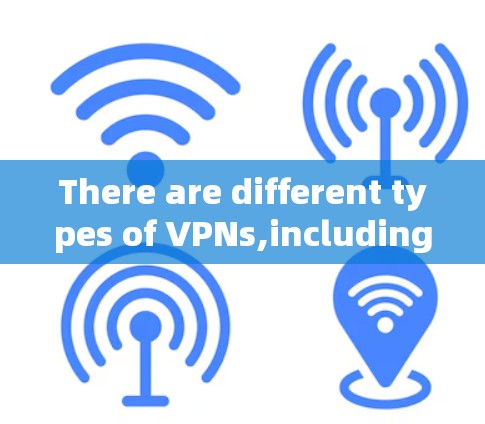
There are different types of VPNs,including:
A VPN, or Virtual Private Network, is a tool used to secure internet traffic by acting as a middleman between your device and the internet. It encrypts or decrypts data, making it inaccessible to unauthorized users and protecting your online privacy and security.
-
HTTP VPNs: These use a standard encryption method called HTTP to protect data.
-
HTTPS VPNs: These use a more secure encryption method called HTTPS for better data protection.
-
OpenVPN: This is a more advanced VPN that allows you to connect to a VPN on the same server, making it easier to stream to or from a server you're not connected to.
Key Benefits of Using a VPN:
- Confidentiality: Protects your online activities from unauthorized access.
- Speed:speeds up data transmission and reduces latency.
- Security:Enhances your online security by encrypting data at rest and in transit.
- Versatility:Can be used for various purposes, including browsing, streaming, and more.
Important Notes:
- Use with Caution: While VPNs can be useful, they should be used responsibly. They are not a substitute for strong passwords or a good internet connection.
- Always Enable Two-Factor Authentication: This adds an extra layer of security to your online activities.
Using a VPN can be a helpful tool in protecting your online privacy and security, but it's always best to use it in combination with other measures to safeguard your online activities.
相关推荐
-

外网梯子坏了,沟通中断,你该如何应对?
在当今信息化的时代,网络联系变得越来越频繁,而外网梯子的故障更是让人困扰,我遇到了一个令我困扰的问题,外网梯子因为损坏而断线,...
-

yuko梯子外网,通信技术中的创新与挑战
在当今快速发展的通信技术领域,yuko梯子外网凭借其卓越的表现和创新设计,赢得了广泛的关注与好评,作为一款集射频链路、高带宽、...
-

外网梯子手机的选择需要综合考虑品牌、配置、价格和实际体验。以下是一些推荐的策略和选择
联想天选系列:外网连接方便,价格实惠。 华为荣耀系列:性能不错,外网连接流畅。 小米Galaxy系列:设计美观,外网连...
-
求外网梯子是一个涉及到建筑、安全和材料选择的问题,以下是详细的步骤和考虑
了解相关法规和规范: 确认外网梯子的使用是在特定建筑或建筑物的外侧进行,确保符合当地的法规和安全标准。 查...
-
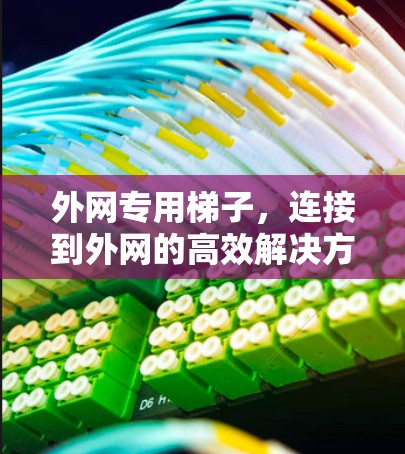
外网专用梯子,连接到外网的高效解决方案
在现代互联网时代,外网专用梯子已经成为连接到外网设备的必备工具,无论是网络服务器、服务器机箱还是服务器架,外网专用梯子都扮演着...
-

梯子网络,连接未来的通信基础设施
在2世纪6年代,随着电话技术的发展,人们开始将电话和电报结合在一起,创造出了电话交换机,这一过程为通信技术奠定了基础,而今天,...